Soft WashNorth Shore
Deck Cleaning service in the North Shore by Soft Wash North Shore

North Shore · North Chicagoland

Deck Cleaning in North Shore

At Soft Wash North Shore we match the cleaning method to your deck material, using controlled pressure or soft washing to remove grime and organic growth while helping protect the finish.

Your deck faces more than ordinary dirt, salt air, coastal moisture, rain, shade, algae, and seasonal debris can discolor wood, composite boards, brick, and nearby concrete.

  • Licensed & insured
  • Soft wash certified
  • White glove service

Free estimate

Request your quote

Fast response times · Instant quote confirmations

Overview

Trusted Deck Cleaning for North Shore Homes

The right cleaning method depends on the material and buildup, so we assess each surface before choosing pressure washing, low-pressure soft washing, or another exterior-cleaning approach.

Our soft wash certified professionals use surface-specific techniques, commercial-grade equipment, biodegradable detergents, and careful plant and furniture protection.

  • You will also learn when to schedule maintenance, how to reduce repeat buildup, and which signs indicate that your deck needs attention.
  • Our complimentary exterior health assessment includes photos, maintenance recommendations, and a clear look at conditions affecting your property.
  • North Shore decks face salt spray, high humidity, rainfall, ultraviolet exposure, and wind-driven debris.
  • We match the cleaning method to the material, surface condition, and surrounding property to remove contaminants without damaging coatings, timber fibres, fasteners, landscaping, or adjacent surfaces.

Methods

Deck Materials, Coastal Conditions, And Cleaning Methods

North Shore decks face salt spray, high humidity, rainfall, ultraviolet exposure, and wind-driven debris. We match the cleaning method to the material, surface condition, and surrounding property to remove contaminants without damaging coatings, timber fibres, fasteners, landscaping, or adjacent surfaces.

Salt Spray, Moisture, And Mould Growth in North Shore

Salt deposits can collect on deck boards, railings, fasteners, and glass, where they attract moisture and contribute to surface corrosion. Humidity and shaded areas also support mould, mildew, and algae, particularly between boards, beneath furniture, and around stair connections.

We inspect for softened timber, cracked coatings, raised grain, rust stains, loose fixings, and blocked drainage gaps before cleaning. We also check whether water can escape beneath the deck; trapped moisture increases the risk of decay.

Our property protection process includes pre-soaking landscaping, shielding outdoor items, and continuously rinsing plants during cleaning. We use biodegradable detergents where appropriate and control runoff so the cleaning process remains compatible with the surrounding property.

Pressure Washing for Concrete, Composite, And Durable Timber

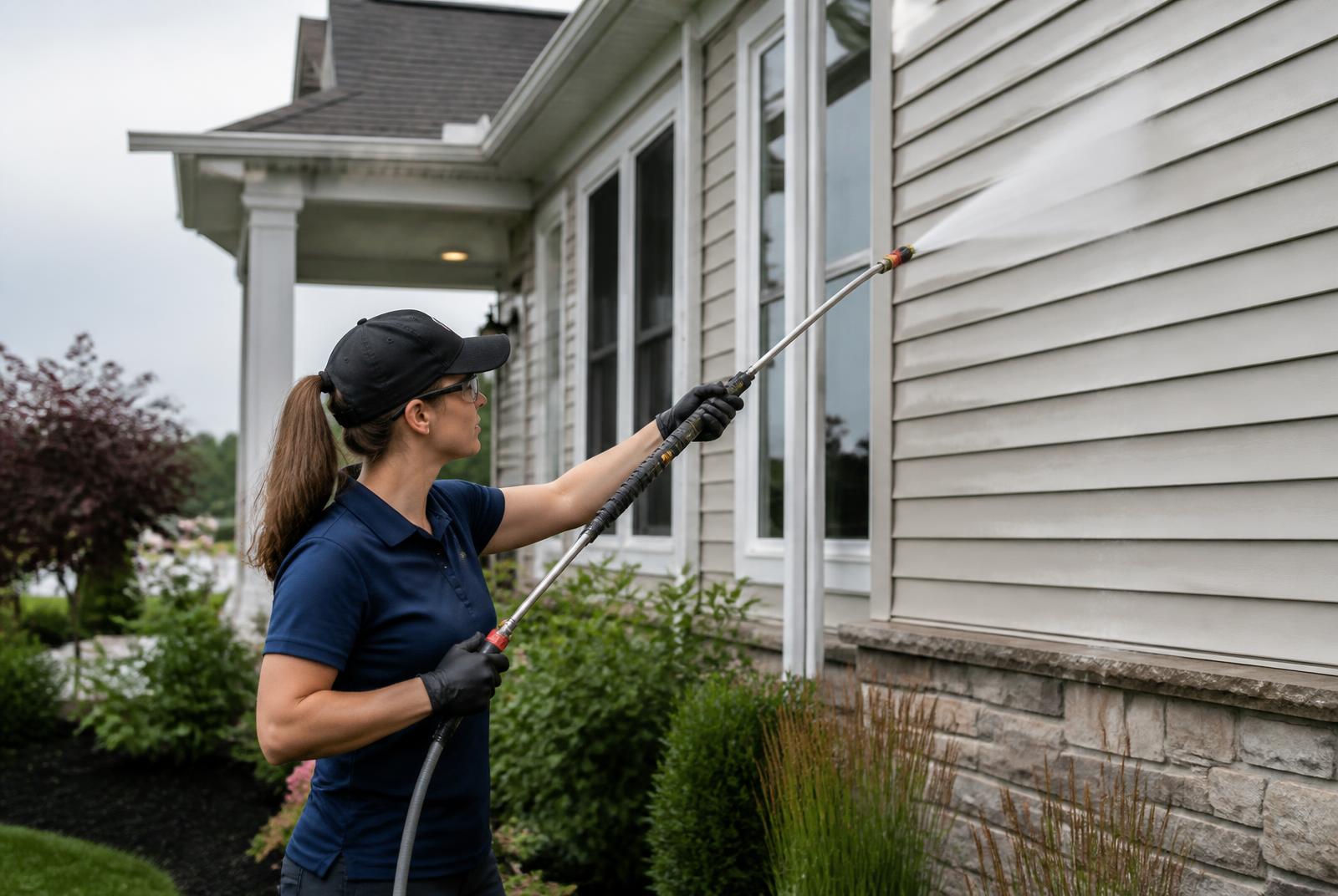
Pressure washing suits sound concrete, some composite decking, and robust timber when we control the pressure, nozzle distance, water flow, and cleaning direction. Excessive pressure can scar concrete, expose aggregate, strip composite surface patterns, splinter wood, or force water beneath coatings.

We begin with a test area and use surface-specific equipment rather than applying one setting to every deck. For composite boards, we follow the manufacturer’s guidance and avoid concentrating the spray on board edges or seams. For durable timber, we work with the grain and allow the surface to dry before recommending staining or sealing.

We remove salt residue, dirt, algae, and loose organic matter, but we do not use pressure to compensate for deteriorated wood. Our technicians document results with digital before-and-after photographs and identify repairs that cleaning cannot resolve.

Soft Washing for Painted, Weathered, And Delicate Wood

Soft washing uses low-pressure application, controlled dwell time, and an appropriate detergent to loosen mould, mildew, algae, and atmospheric dirt. This method reduces the risk of stripping paint, lifting fragile coatings, or cutting grooves into weathered cedar and older timber.

We inspect painted surfaces for peeling, chalking, open joints, and exposed wood before applying any solution. We protect nearby plants and rinse thoroughly, because chemical residue can affect vegetation and leave marks on glass, metal, or masonry.

Our Soft Wash Certified Professionals select methods by material and condition, while following manufacturer-recommended cleaning practices. We avoid promising that cleaning will restore failed paint or rotten boards; instead, we record those issues in the annual exterior health assessment and provide practical maintenance recommendations.

Exterior Cleaning for Railings, Steps, Fences, And Surrounding Surfaces

Deck cleaning should include connected surfaces that collect the same salt, moisture, and organic debris. We clean railings, stairs, privacy screens, fences, concrete paths, retaining walls, and nearby brick or natural stone using methods suited to each material.

We use lower pressure around balusters, joints, painted surfaces, and delicate landscaping. Concrete may tolerate controlled pressure, while cedar fencing, stucco, and aged coatings usually require soft washing. We also check handrails and steps for slippery biological growth, loose components, and drainage problems.

Our white glove process includes protecting outdoor furniture, keeping gates closed, replacing moved items, and completing a final property walkthrough. We provide arrival texts, service updates, and a digital gallery so homeowners and property managers can verify the completed work.

Local conditions

Safe Maintenance, Timing, And Long-Term Protection

Coastal decks need scheduled cleaning, controlled water pressure, and timely sealing to resist salt, moisture, algae, and ultraviolet damage. We match each treatment to the deck material, document its condition, and protect surrounding landscaping and outdoor furnishings throughout the service.

Recommended Cleaning Frequency for Coastal Decks

We recommend inspecting a North Shore deck twice a year, preferably in spring and fall. Clean the surface at least annually, or sooner when you see green algae, black mildew, salt residue, slippery boards, or organic debris collecting between planks.

Decks near the shoreline often face stronger moisture exposure and airborne salt than inland properties. We check for raised fasteners, cracked boards, soft areas, loose railings, and water trapped against the house before washing. Cleaning cannot correct structural problems, so we identify repairs before applying water or detergent.

Our annual exterior health assessment includes a complimentary inspection, photographs, and maintenance recommendations. We also provide digital before-and-after images so homeowners and property managers can track surface changes and plan future cleaning or repair work.

Water Pressure, Nozzle Selection, And Surface Protection

We select pressure, nozzle angle, detergent, and dwell time according to the deck’s material and condition. Cedar and other soft woods can develop fuzzy grain, gouges, or permanent marks when cleaned with excessive pressure. Composite decking may tolerate different settings, but concentrated spray can still damage its finish or force debris beneath edges.

For most wood decks, we use a controlled low-pressure or soft-washing process with surface-appropriate biodegradable detergents. We keep the nozzle moving, maintain a safe distance, and test an inconspicuous area first. We avoid forcing water into siding joints, door thresholds, electrical fixtures, and board seams.

Before cleaning, we protect outdoor items and pre-soak nearby plants. We rinse landscaping continuously when appropriate, control runoff, close gates, and complete a property walkthrough after service.

Sealing, Staining, And Post-Cleaning Care

Wood must dry thoroughly after cleaning before we apply stain or sealer. Dry weather and temperatures around 60–75°F generally support better drying and product application, although we also follow the coating manufacturer’s requirements and account for shade, humidity, and the wood’s moisture level.

We recommend selecting a product based on the deck species, exposure, and desired finish. Penetrating stains can add color and water resistance, while clear sealers provide less ultraviolet protection. We do not coat boards that remain damp, contaminated, or structurally unsound because the product may peel, darken, or trap moisture.

After sealing, keep furniture, rugs, and foot traffic off the deck for the stated curing period. Sweep leaves regularly, clear drainage gaps, tighten loose hardware, and arrange a follow-up inspection when the surface shows renewed wear, fading, or organic growth.

Answers

Frequently Asked Questions About Deck Cleaning

Deck-cleaning costs depend on surface material, access, staining, and required repairs. We match pressure, detergents, rinsing, plant protection, and sealing to the decking and North Shore exposure conditions.

A 20×20-foot deck covers 400 square feet. In the North Shore area, professional cleaning commonly costs about $250–$600 , while cleaning plus staining or sealing often ranges from $800–$1,800 .

Cedar and hardwood may cost more because technicians must use lower pressure and more careful rinsing. Heavy algae, mould, tannin staining, furniture moving, stairs, railings, and difficult access can also increase the estimate.

We provide a property-specific quote after reviewing the exterior rather than pricing solely by square footage.